Reviewed · MARKETS
Riga Central Market
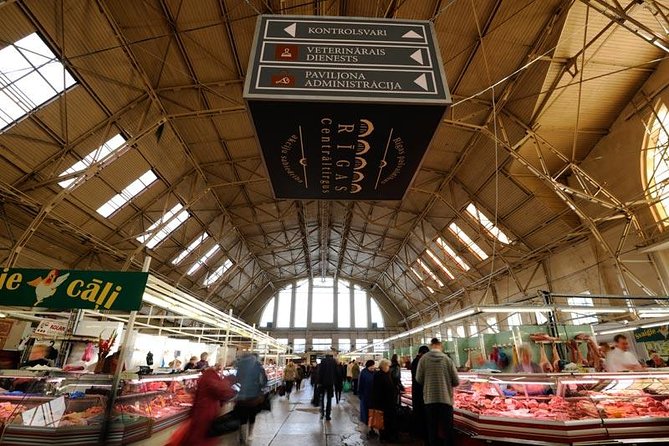
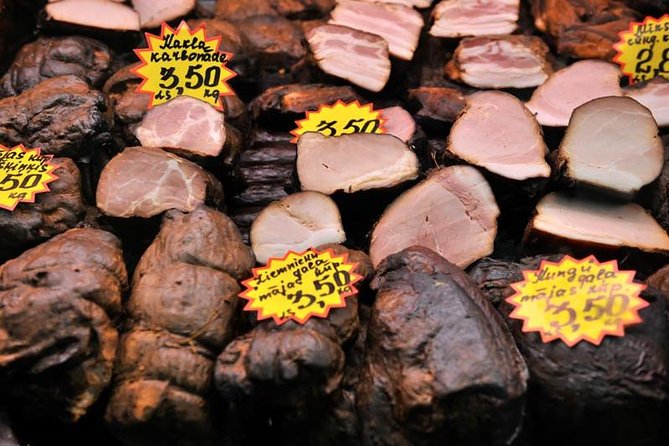
Riga Central Market is at its best when you taste your way through it. In about two hours, a private guide leads you through five food pavilions, with samples that may include smoked meats, cheese, fish, pastries, vegetables, desserts, beer, and local specialties such as hemp butter and sprats. Guides Dace and Edgar have both led this experience, adding food customs and winter traditions to the meal.
I like the mix of tasting and local context. You learn why Latvian households preserve food for long winters, how certain dishes appear at holidays, and where traditional ingredients fit into daily life. I also like that the route includes the outdoor stalls and nearby Spikeri warehouses, so you see more than the market counters.
The main drawback is the price: $77.89 per person is a serious charge for a two-hour outing, especially if you are mainly looking for lunch. The value depends on how much you want a guided introduction, a private group, and many small tastings rather than a simple self-guided market visit.
Key points to know before booking
- Five food pavilions: Move through separate meat, vegetable, dairy, fish, and gastronomy halls, each with its own character and products.
- Samples are included: Taste Latvian foods such as sprats, rye bread, hemp butter, sauerkraut, mushrooms, honey, kvass, and possibly fried lampreys.
- Food traditions are central: The guide explains preserving methods, winter preparation, holiday foods, and Latvian eating customs.
- Outdoor market included: Browse fruit, vegetables, plants, flour, souvenirs, clothing, knitwear, perfume, and amber jewelry.
- Spikeri is nearby: The tour connects the market with a surviving group of historic warehouses.
- Private two-hour format: Only your group participates, and the experience returns to the Riga Central Market meeting point.
Five pavilions, five ways to understand Latvian food
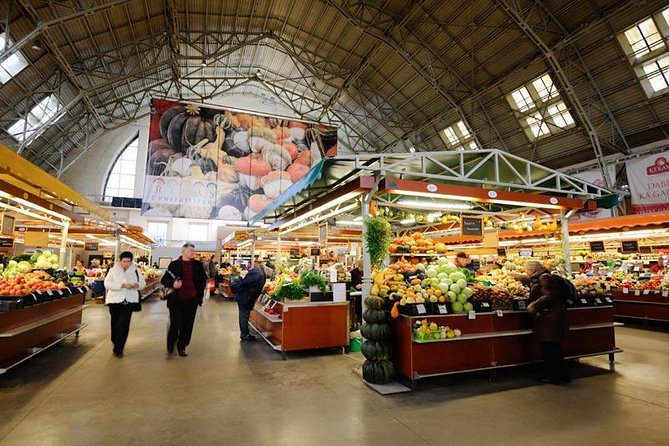
Riga Central Market is not one giant food hall. It is divided into five main pavilions, with separate areas for meat, vegetables, dairy, fish, and gastronomy products. That layout gives the tour a useful rhythm. You are not simply walking past random stalls. You can see how the parts of a Latvian pantry fit together.
The market is also practical, not just theatrical. Produce comes from Latvian farms as well as nearby countries, and the selection changes with the season. The outdoor stalls sell fruits, vegetables, garden plants, and flour. You may also see shoppers buying everyday ingredients, which helps keep the visit connected to local life.
Your guide is the key to making sense of it all. Dace has been praised for presenting foods that many visitors would not try without encouragement. Edgar has led tastings that included smoked meats, cheese, pastries, fish, vegetables, desserts, and drinks. The guide does more than hand you a bite. You get an explanation of what it is, how it is eaten, and why it matters.
Because the experience is private, the pace can suit your group better than a large scheduled walk. You can ask questions about a dish, pause at a product that interests you, or spend less time on items you already know. The exact samples can vary, so you should think of the menu as a broad tasting rather than a fixed restaurant course.
A few more Riga half-days to weigh up
- Latvian food tasting tour at Riga Central market
★ 4.5 · 241 reviews - Fun Walk Private Tour Around Central Market Riga
★ 4.5 · 3 reviews
The Latvian flavors worth trying
Several foods are singled out as good introductions to Latvian tastes. Hemp butter is one of the more unusual. Hemp has long been used in the region, and the spread gives you a flavor you are unlikely to meet in a standard European food tour.
Rye bread is another essential taste. It is hearty, dark, and closely tied to northern European food habits. Try it with dairy products, fish, or spreads if the guide offers those combinations. It is the sort of simple staple that tells you more about local eating than an elaborate modern dish.
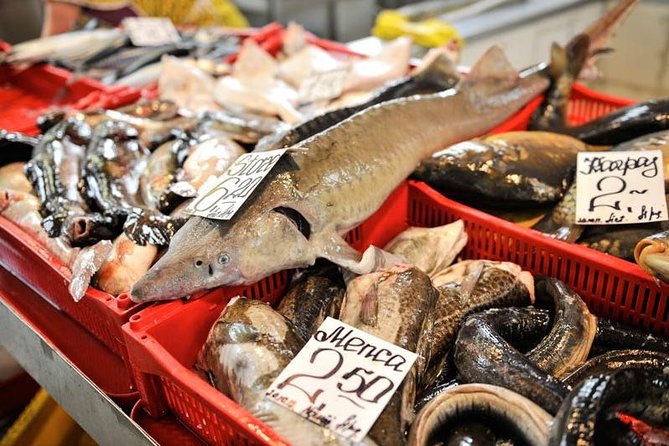
Sprats and fried lampreys bring the fish pavilions into focus. Sprats are small smoked fish often associated with Latvian cooking. Lampreys are less familiar to many people, so this is a useful place to sample them in a small portion before deciding how adventurous you feel.
You may also try sauerkraut, kvass, honey, and salted or dried mushrooms. These foods point to the practical side of Latvian cooking. Fermenting, drying, salting, and storing food have mattered greatly in a country with long, cold winters. The food story here is not only about flavor. It is about making a harvest last.
Beer is part of the experience too. One particularly well-liked stop is Labietis, where the beer is described as a highlight. Since the ticket includes tastings, the beer works as part of the lesson as well as a refreshment. If you prefer nonalcoholic drinks, kvass may provide a more traditional alternative, but you should check with your guide about the exact offerings on your departure.
What the food tells you about Latvian life
The best part of the tour is the explanation behind the samples. Food gives your guide an easy way to discuss the challenges of living through Latvian winters and the methods used to preserve ingredients for months ahead.
You may hear about foods prepared for holidays and festivals, along with customs connected to particular dishes. This makes the market feel less like a shopping stop and more like a window into family habits. A sample of sauerkraut or dried mushrooms becomes a starting point for understanding storage, seasons, and celebration.
The tour also helps explain how older preferences remain useful today. Smoked fish, rye bread, honey, and fermented drinks are not simply museum pieces. They are foods you can still find in a working market, alongside modern snacks and international products.
That mix is important. Latvia has its own food traditions, but the market also sells ingredients and dishes from beyond the country. You will see local farm produce beside goods brought in from surrounding countries. The result is a more honest picture than a staged folk-food demonstration.
The outdoor stalls and everyday shopping
After the pavilions, the outdoor area changes the tone. Here you can browse fruit, vegetables, garden plants, and flour. The displays may be more useful than picturesque, and that is part of the appeal. This is where the market connects with ordinary shopping rather than only prepared tastings.
Prices on fresh goods are presented as competitive, and bargaining may be possible. Do not expect every purchase to become a major bargain, but the chance to compare prices and ask about products adds another layer to the visit. If you want to buy something, bring enough time and confirm how your guide wants to handle purchases during the two-hour route.
The outdoor stalls also include small kiosks selling souvenirs, clothes, perfume, knitwear, amber jewelry, and other goods. These stands are less central to the food experience, but they can be useful if you want a small reminder of Riga without making a separate shopping trip.
The selection of fruit and vegetables may include both Latvian farm goods and imports from nearby countries. Your guide can help you understand that distinction, though the details will depend on what is being sold that day. This is one reason a market tour is more rewarding than a fixed menu: the setting changes with supply and season.
Out of the city, a completely different day:
- Riga Old Town walking tour
★ 4.5 · 304 reviews - 2 countries! Hill of Crosses, Rundale Palace and Bauska castle
★ 5.0 · 225 reviews - Discover Riga Bike Tour
★ 5.0 · 166 reviews - From Riga: Hill of Crosses & Jelgava Highlights
★ 5.0 · 149 reviews
A look at Spikeri after the market
A few minutes from the Central Market, you can reach Spikeri, a historic warehouse district. Only 13 of the original warehouses survive today. The short walk adds an architectural and urban element to a tour that otherwise focuses on food.
Spikeri is worth including because the market does not exist in isolation. Warehouses, trade, storage, and transport all help explain why this part of Riga developed as a commercial area. You will not get a long architectural lecture in a two-hour food tour, but the nearby district gives the outing a wider frame.
Keep your expectations in proportion. This is not a dedicated Spikeri architecture tour, and the time is divided among tastings, market stalls, and the walk. If warehouse history is your main interest, you will need a separate visit. If you want a short change of scene after the pavilions, Spikeri is a useful addition.
The Central Gastro Market brings a modern twist
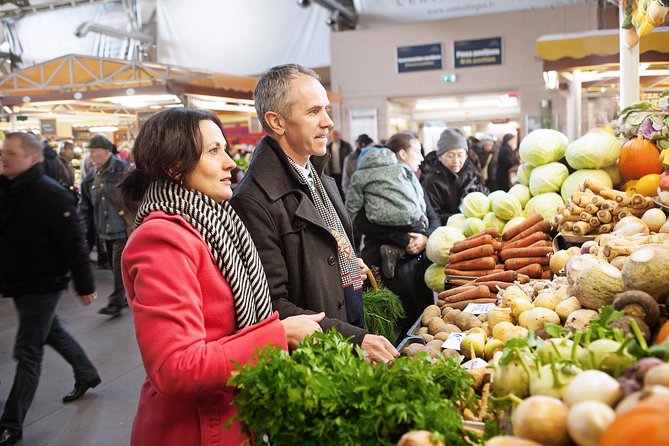
The newer Central Gastro Market section offers a different experience from the traditional stalls. More than 20 caterers and two bars serve a wide range of food, from Latvian dishes to burgers, pizza, ramen, Thai food, and other street-food choices.
I like this contrast because it shows Riga as it is now, not only as a place of preserved recipes. The older pavilions focus on raw ingredients and familiar regional foods. The Gastro Market offers prepared meals and international flavors in a more modern setting.
This section is especially useful if someone in your group is cautious about traditional foods. They can try a burger, pizza, ramen, or another familiar dish while still taking part in the market visit. On the other hand, if your main goal is old-style Latvian food, the Gastro Market may feel like a distraction.
Do not assume the gastro section replaces the included tastings. The guided experience is built around samples from the market, while the caterers provide extra choices. Any full meal or additional purchase may cost more, so budget accordingly.
How much food do you get?
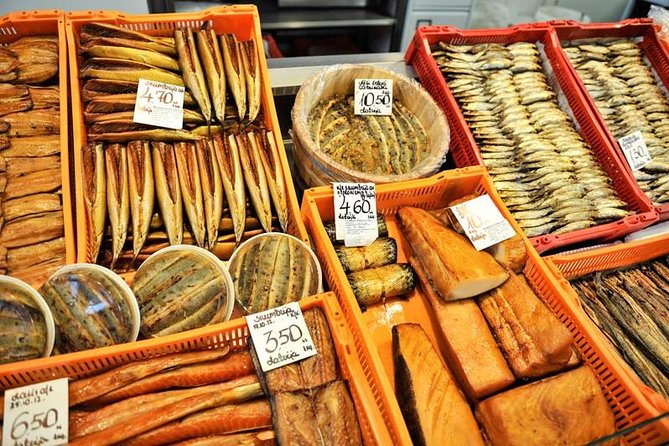
The strongest practical advice is simple: arrive hungry. The tastings can cover smoked meats, cheese, pastry, fish, vegetables, desserts, and drinks. One guide even bought an extra serving of a dessert that the group especially liked so it could be taken back to the hotel.
That kind of gesture cannot be guaranteed, but it shows how the experience can become personal rather than mechanical. The guide watches what interests you and may point you toward a favorite product or dish. Still, do not treat the tour as a guaranteed full lunch. Portions are samples, and the exact foods vary.
If you have dietary restrictions, contact the operator before booking. The supplied details do not specify vegetarian, vegan, allergy, or alcohol-free arrangements. You should not assume that every sample can be changed.
Price, private format, and timing
At $77.89 per person, this is not the cheapest way to see the market. You can walk through Riga Central Market on your own for far less, buy a few snacks, and explore the outdoor area independently.
The price makes more sense if you value structure and explanation. Your ticket includes tastings across five pavilions, and the private format means only your group participates. For a couple, family, or small group that wants direct access to a guide, that privacy can be meaningful. For a solo visitor mainly seeking a quick meal, it is harder to justify.
The tour lasts about two hours and runs Monday through Friday from 11 a.m. to 6 p.m. That daytime schedule works well for a morning arrival or an afternoon stop, but it does not suit an evening food plan. Since the market is near public transportation, reaching the meeting point at Rīgas Centrāltirgus is straightforward.
Confirmation is sent within 48 hours, subject to availability. The activity begins and ends at Riga Central Market, which makes it easy to continue sightseeing afterward or return to your accommodation.
Free cancellation is available until 24 hours before the start time. Cancellations or changes made later are not refunded or accepted, and the cut-off uses Riga local time.
Who will enjoy this market tour most?
I would choose this for someone who wants food to explain a place. It suits first-time visitors who might otherwise walk through the market without knowing what to taste, and it works well for people curious about food traditions, preservation, and holiday customs.
It is also a good match for small private groups. Families and friends can share samples without being placed with strangers, and the guide can adjust the conversation to your interests. People who enjoy trying unfamiliar foods will get the most from hemp butter, lampreys, sprats, dried mushrooms, and other less common products.
I would think twice if you dislike fish, fermented foods, or sampling ingredients outside your usual diet. The tour includes modern options at the Gastro Market, but its central purpose is to introduce local foods. It also may not suit anyone seeking a quiet, slow meal. The market is an active commercial setting, and two hours passes quickly.
The experience is offered in English. A German-language tour has also been conducted, but you should confirm the language available for your chosen departure rather than assume it.
Should you book Riga Central Market?
Book it if you want a guided food lesson with real market shopping around it. The combination of five pavilions, included samples, winter food traditions, outdoor stalls, beer, and nearby Spikeri gives you more context than a simple snack stop.
Skip it if you are comfortable choosing your own food and want to keep costs low. At $77.89, you are paying mainly for the guide, the private format, and the chance to taste a wide range of products without having to guess what they are.
My practical call: book it for an early trip to Riga, arrive hungry, and treat the tasting as a cultural introduction rather than a formal lunch. If Dace or Edgar is leading your departure, expect the strongest part of the visit to be the stories behind the food and the encouragement to try something you might otherwise pass by.
FAQ
Where does the Riga Central Market tour start and end?
The tour starts at Riga Central Market, Rīgas Centrāltirgus, in Riga, Latvia. It ends back at the same meeting point.
How long does the experience last?
The activity lasts approximately two hours.
What foods might I taste?
Samples may include sprats, hemp butter, rye bread, fried lampreys, sauerkraut, kvass, honey, salted and dried mushrooms, smoked meats, cheese, pastries, vegetables, desserts, beer, and other market foods.
Is the tasting included in the ticket?
Yes. The ticket includes food samples from the market pavilions.
Is this a private tour?
Yes. Only your group participates in the activity.
When can I take the tour, and what happens if I need to cancel?
The tour operates Monday through Friday from 11 a.m. to 6 p.m. Free cancellation is available if you cancel at least 24 hours before the start time. Changes or cancellations made less than 24 hours before the start time are not accepted or refunded.
Just added around Riga
- Group Tour: Sigulda and Turaida from Riga.★ 4.5 · 3 reviews
- Fun Walk Private Tour Around Central Market Riga★ 4.5 · 3 reviews
- Latvia’s Switzerland and Gauja National Park Tour★ 5.0 · 3 reviews
- Hiking Adventure in Gauja National Park – 7 Days★ 5.0 · 3 reviews
- Jurmala sunset tour★ 4.5 · 3 reviews
- Riga Private Walking Tour★ 5.0 · 4 reviews
- Full Day Gauja National Park Ultimate Hiking & Sightseeing Trip★ 5.0 · 4 reviews
- Private Snowmobile or ATV Safari with Riga Black Balsam Tasting★ 5.0 · 4 reviews
Markets, compared.
Latvian food tasting tour at Riga Central market
Read our review →